
Modern automotive manufacturing runs on exactness. A small variation in a gear profile, battery tab, sensor housing, or body-panel gap can ripple into noise, durability, safety, and warranty performance. Today’s vehicles pack more electronics, lighter materials, tighter packaging, and more demanding performance targets into every platform, which means production teams have less room for error than ever before.
Suppliers such as Beyonics reflect the level of process discipline now expected across advanced industrial production. In that setting, Precision Engineering in Automotive Manufacturing has become a daily operating requirement, shaping how parts are designed, measured, validated, and scaled into stable series production.
Design Intent Must Survive the Factory Floor
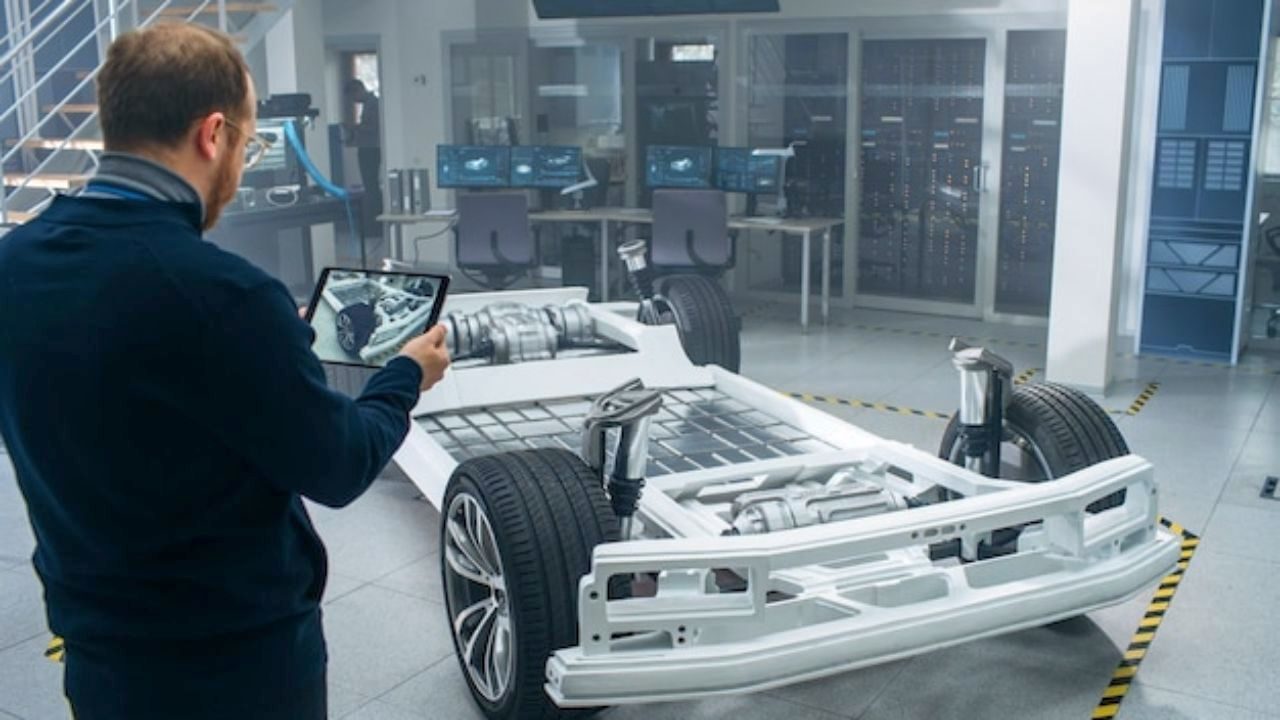
Precision starts long before a machine tool touches metal. Engineering teams need a shared language that defines how a part must locate, align, seal, rotate, and assemble inside a larger system. ASME identifies Y14.5 as the authoritative guideline for GD&T, while ISO 1101 defines the symbol language and rules for geometrical specification. That common language reduces ambiguity between design, tooling, machining, and inspection teams.
The strongest manufacturers connect that design language to a digital thread. NIST has highlighted industry demand for aligned as-designed, as-planned, as-executed, and as-inspected data, and Siemens explains that digital twins let manufacturers validate machines, tools, NC programs, and processes before production begins. That link helps engineers catch collisions, bad tool paths, and process gaps early, when fixes cost less and schedules stay intact.
Measurement Controls the Line, Not Just the Lab
Metrology gives precision engineering its feedback loop. NIST states that accurate measurements are required for process control, product quality, and improved manufacturing precision. ZEISS shows the same principle in automotive production, where measurement data supports simulation, design, tool inspection, assembly analysis, and full vehicle-body evaluation. In strong plants, measurement is part of production control, not a final audit after the fact.
That shift matters because modern vehicle production moves too fast for late surprises. ZEISS describes automated measurement technology for car-body quality control, full-surface and point measurements for powertrain parts, and targeted 3D testing for structural behavior. When manufacturers measure molds, stampings, castings, forged parts, and assemblies earlier in the cycle, they can correct drift faster, reduce scrap, and protect throughput.
Electrification Raises the Precision Bar
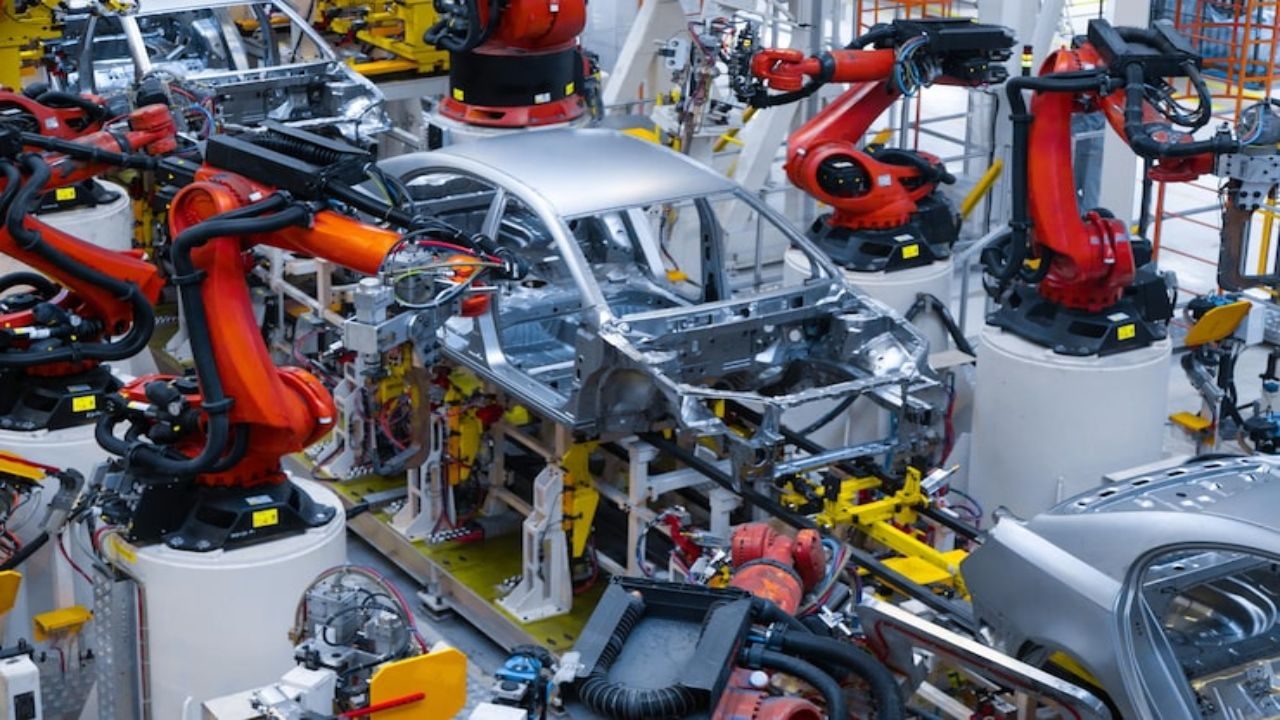
Electric vehicles have made the accuracy challenge even sharper. ZEISS notes that battery production must address burrs, contamination, overhang, weld tabs, delamination, winding issues, and electrode defects, all of which can lead to malfunctions. It also notes that foreign particles over 5 μm must be checked in battery production to prevent safety issues and meet tighter quality standards. That level of control shows how microscopic flaws can affect battery life, performance, and safety.
The U.S. Department of Energy has also identified a need for advanced tooling and precision manufacturing technologies to assemble battery cells and systems at scale. ABB makes the same industrial point from the factory side, describing robotic solutions for battery cell, module, and tray production that aim for faster, safer, and more precise assembly. As EV programs expand, precision engineering now sits at the center of battery manufacturability, not at the edge of it.
Automation Delivers More When the Process Is Stable
Automation can magnify excellence, or magnify flaws. ABB’s automotive solutions span welding, laser cutting, dispensing, gluing, clinching, riveting, battery assembly, e-motor production, and leak testing, all with a focus on repeatability and scalable performance. Its cobot guidance makes the same case in simpler terms: collaborative robots help fit automation into existing workflows while improving consistency and worker safety.
The biggest gains come when hardware and software work together. Siemens explains that digital twins simulate real machine behavior, help teams verify machining strategies, optimize tool paths, and detect issues early, which cuts scrap, rework, downtime, and physical trial runs. That creates a more controlled launch process. Engineers can refine the process virtually, then move onto the shop floor with far more confidence.
Quality Planning Keeps Precision Alive at Scale

Automotive production cannot rely on good intentions alone. AIAG describes APQP as a key automotive approach for moving projects from concept to launch while minimizing lead times and startup issues. That matters because tight tolerances only pay off when they are built into planning, supplier coordination, tooling readiness, validation timing, and launch management from the start.
PPAP pushes that discipline deeper into the supply base. AIAG defines PPAP as the industry standard for ensuring engineering design record and specification requirements are consistently met during an actual production run at production rates. In practice, that means a part is not truly production-ready until the supplier can hold the same level of quality repeatedly, under real operating conditions.
Precision Engineering Strengthens Cost, Quality, and Speed
The business value is direct. NIST ties precision to process control, real-time monitoring, error compensation, and predictive maintenance, while Siemens links virtual validation to lower production costs, faster ramp-up, and improved part quality. Those gains show up in fewer defects, less rework, less wasted material, and stronger program launches.
Modern automotive manufacturing rewards companies that can build high-quality parts repeatedly, quickly, and with fewer surprises. The firms that lead will keep investing in standards, metrology, digital twins, automated inspection, and flexible production cells that can hold tight tolerances under real factory pressure. Precision engineering stays central because every successful vehicle program depends on thousands of details going right, every day, across every stage of production.