
Counterfeit bills have been part of American commerce since the first paper currency circulated in the 1860s, but the problem has not gotten simpler. A few years ago, a diner in rural Ohio lost over $400 in a single weekend to fake twenties that slipped past two employees. That kind of loss cuts deep for a small operation, and it is almost always preventable. The fastest fix most businesses find is a fake money checker at the point of sale, which takes under a second per bill and flags counterfeits before they enter the register.
For retailers who handle significant cash volume, Carnation Enterprises has become a go-to source for these tools, with a range of devices suited to everything from corner stores to busy box offices.
What most business owners do not realize is how rarely counterfeit losses get reported. Employees often do not catch them until the end-of-day count, by which point tracing the transaction is nearly impossible. Banks are obligated to confiscate counterfeits when they are deposited, which means the business absorbs the full loss with no recourse. Getting ahead of that moment, at the counter, is where most of the protection actually happens.
How Counterfeit Currency Finds Its Way Into Small Businesses
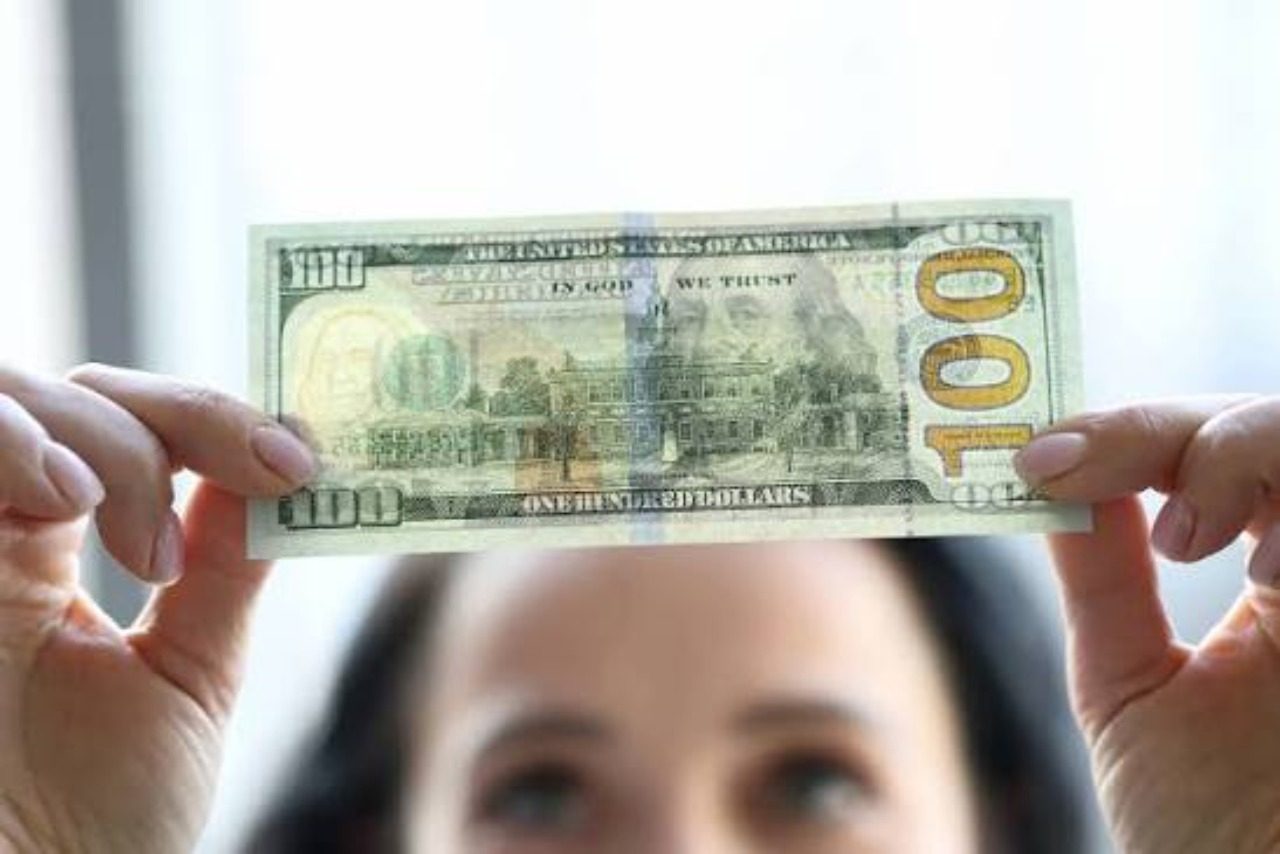
The assumption is that counterfeit bills come from elaborate criminal rings. In reality, a lot of them enter circulation through ordinary exchanges, often passed by someone who received one unknowingly and spent it just as quickly. Small businesses take a disproportionate hit because they tend to have less sophisticated cash-handling procedures and fewer staff trained to spot irregularities in bill security features.
Busy service environments are especially exposed. A server with four tables going simultaneously, a cashier working a lunch rush alone, or a street vendor moving fast through a crowd does not have time to examine every bill closely. Counterfeiters know this and tend to pass fake currency during peak hours or at businesses where the transaction pace makes careful inspection unlikely.
The bills most commonly counterfeited are twenties and fifties. Hundreds attract more scrutiny at the counter, and ones are not worth the effort. That middle range represents real risk for restaurants, convenience stores, and any business where cash transactions are fast and frequent.
What Authentic Bills Actually Look Like
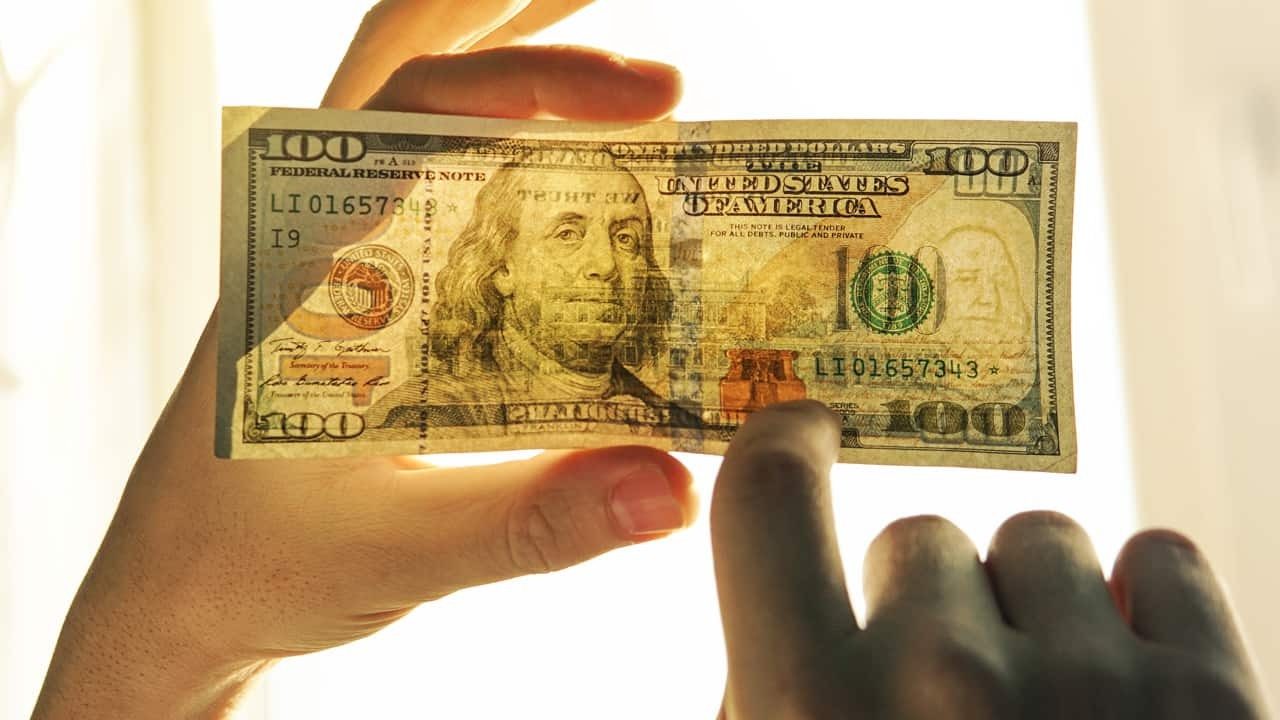
Federal currency includes multiple security features, many of which are visible without any equipment at all. The security thread embedded in most denominations runs vertically through the paper and glows a specific color under ultraviolet light depending on the denomination. Color-shifting ink on the numeral in the bottom right corner of $50 and $100 bills changes from gold to green when tilted. Microprinting appears along portrait borders and in other areas that photocopiers and printers cannot reproduce at the necessary resolution.
According to the U.S. Currency Education Program, each denomination also carries a watermark portrait visible when the bill is held up to light. The paper itself is a cotton-linen blend that feels distinctly different from standard printer paper. No amount of careful printing fully replicates the texture and slight stiffness of genuine currency.
Most cashiers learn a few of these features during onboarding and forget most of them within weeks without regular practice. That is not a failure of attention, it is just how memory works without reinforcement.
The Real Cost Beyond the Bill Itself
A $20 loss sounds minor, and it is, until you account for what follows. Time spent reviewing security footage, interviewing staff, filing a report with local law enforcement, these all have real costs. The average small business owner earns somewhere between $30 and $50 an hour in effective hourly value when their time is considered as a business asset. Three hours chasing a counterfeit complaint easily exceeds the original loss.
There is also a staff morale dimension that does not show up in incident reports. Employees who feel blamed for a counterfeit that slipped past them, or who are asked to absorb the loss in some way, tend to disengage. Businesses that handle these incidents better are usually the ones that had prevention systems in place, because there is no “whose fault was it” to assign.
Insurance coverage for counterfeit losses is another thing worth examining. Most standard business insurance policies do not cover currency fraud, and the ones that do often require documented detection procedures as a condition of coverage. Having a verification process on record is sometimes the difference between a covered claim and an uncovered one.
Detection Technology That Actually Fits the Workday
The most common entry-level tool is the counterfeit detection pen, which contains a solution of iodine that reacts with starch in regular paper. Genuine currency is printed on paper with no starch, so a mark stays yellow. On counterfeit bills made from regular paper, the mark turns dark. The limitation is that some counterfeits are printed on bleached genuine currency paper, which defeats the pen entirely.
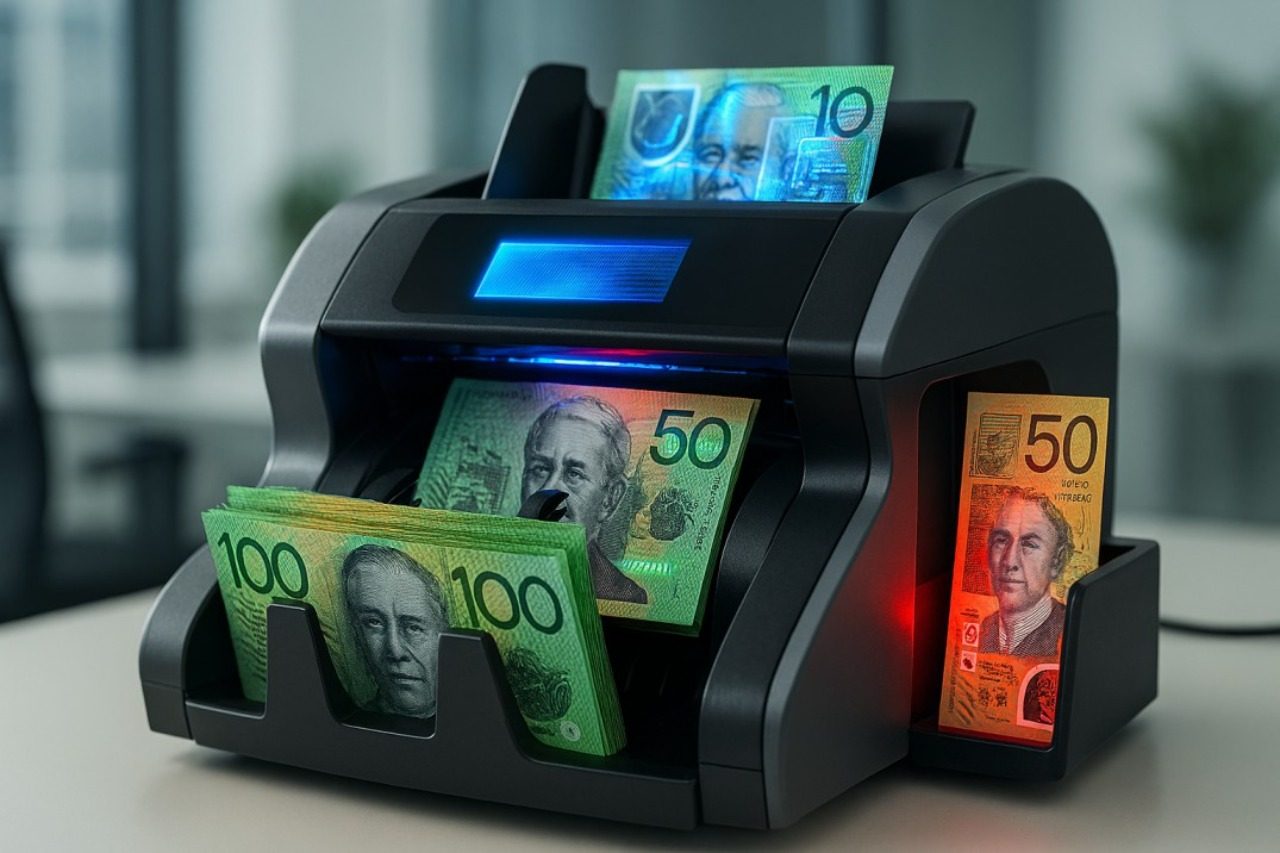
Ultraviolet detectors solve that gap. They illuminate the security thread, which fluoresces at a specific wavelength depending on the denomination. A $20 thread glows green, a $50 thread glows yellow, a $100 thread glows pink. This is not something that can be replicated with a standard printer or scanner.
For higher-volume settings, multi-feature detectors combine UV, magnetic ink detection, and infrared analysis in a single unit. These run automatically when a bill is inserted, take about two seconds, and produce a clear pass or fail signal. The investment is higher but so is the confidence level for businesses processing hundreds of bills per shift.
Building a Detection Habit That Sticks
Technology only works if it gets used consistently, and consistency requires that the tool is actually convenient to reach. A detector tucked under the counter that requires two steps to access will be skipped during busy periods. Placement matters: the tool should sit at the natural hand position after receiving a bill, requiring no reaching or turning away from the customer.
Training should cover not just how to use the equipment but why specific features matter. Staff who understand how the Secret Service categorizes counterfeit activity tend to take the procedure more seriously than those handed a tool with a one-line instruction. Context creates buy-in.
Some businesses run a quick monthly refresh, pulling out a few test bills to run through the detector together during a slow period. This keeps the habit active and gives managers a low-pressure moment to reinforce why it matters. It also catches any equipment issues before a busy weekend rather than during one.