
San Miguel de Allende’s real estate market does more than move deeds and keys. It acts like a steady economic engine that pulls in capital, creates jobs, and keeps money circulating across Guanajuato and the wider Bajío. Local professionals see this pattern every day, including teams at https://www.bhhscolonialhomessanmiguel.com/ who work with buyers attracted by the city’s architecture, lifestyle, and long-stay appeal.
The ripple effect shows up at street level, especially in areas that blend walkability with views and quick access to town, like https://bhhscolonialhomessanmiguel.com/san-miguel-de-allende/neighborhood/balcones/. A home purchase can lead to renovations, furnishing contracts, landscaping work, and ongoing property services. Each step feeds households and small businesses in San Miguel, then spreads outward to suppliers, trades, and service providers across the region.
Construction and Renovation Create a Strong Local Multiplier
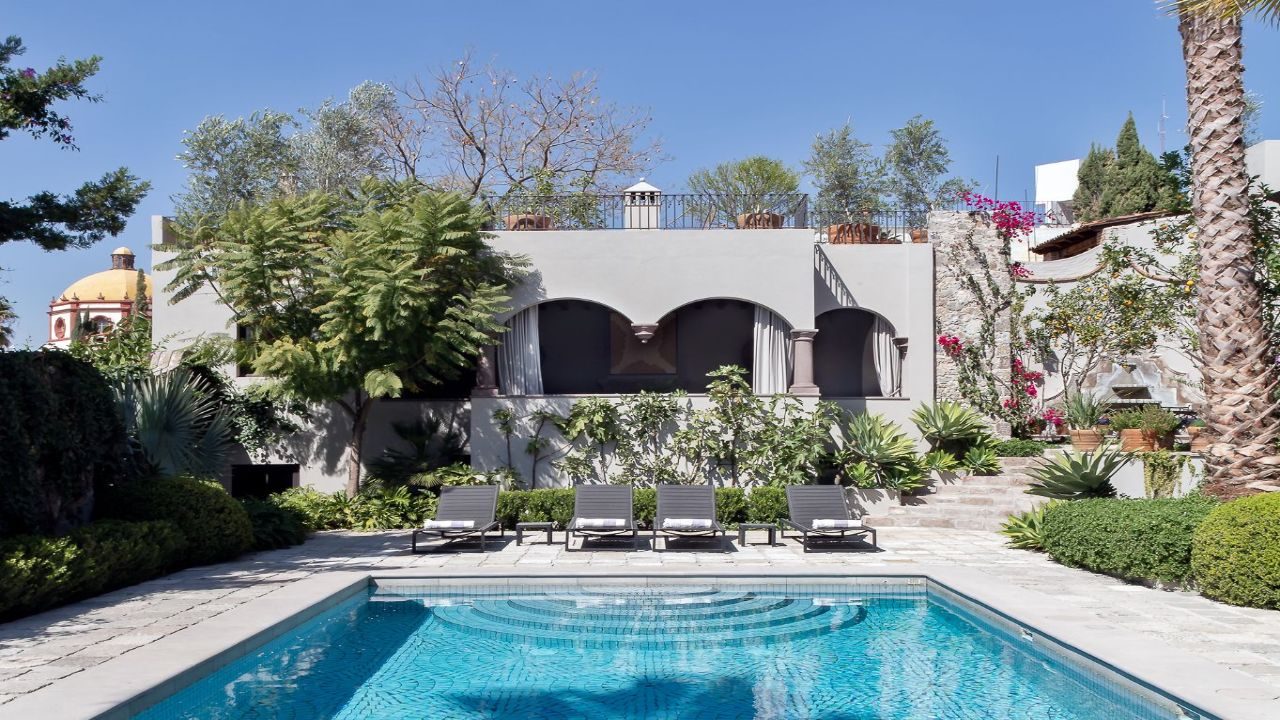
Real estate growth in San Miguel often arrives through renovation, not only new builds. Historic homes need skilled masonry, carpentry, stonework, ironwork, waterproofing, electrical upgrades, and careful design choices that respect the city’s look. That craftsmanship supports year-round employment for tradespeople, project managers, architects, engineers, and specialty crews. It also keeps local workshops busy, from custom doors to hand-finished fixtures.
Renovation spending rarely stays in one pocket. Contractors source materials and labor through layered networks. A single remodel can involve tile suppliers, paint shops, glass installers, hardware stores, and transport firms. Many inputs come from within Guanajuato and nearby states, so demand in San Miguel helps sustain production and logistics beyond city limits. This is a practical example of regional growth, powered by local property activity instead of a single factory or one-time event.
There is another benefit that often gets overlooked. Renovation projects push professionalization. Owners want reliable timelines, permits, and safe work. That pressure encourages better contracting practices, clearer scopes, and improved quality control. Over time, the region gains a deeper bench of skilled labor and better-run small firms, which raises overall economic capacity.
Tourism Demand Turns Property into a Revenue Generator
San Miguel’s heritage status draws visitors, and visitors create spending that supports jobs. The city’s recognition as a UNESCO World Heritage site adds international visibility and reinforces preservation, cultural tourism, and long-stay travel patterns. Property plays a direct role here because lodging capacity is, in many cases, real estate in action: hotels, boutique conversions, short-term rentals, and second homes that host family and friends.
Tourism also matters in the national picture. Tourism GDP has represented a meaningful slice of Mexico’s overall economy in recent reporting, which signals how significant visitor-driven spending can be for local economies that depend on it. San Miguel benefits from this dynamic because its property market and its visitor economy reinforce each other. More attractive housing stock supports higher-quality stays, while stronger visitor demand supports property reinvestment.
Visitor volumes translate into real transactions: meals purchased, guides hired, rooms cleaned, taxis taken, gifts bought, and events hosted. In a destination city, property becomes part of the visitor experience. When housing and hospitality stock improves, the city can support higher-value travel, longer stays, and broader off-season activity, which stabilizes income for workers and small businesses.
Property Ownership Fuels Small Business Growth and Local Services

When more people buy homes, rent long-term, or maintain second residences, demand shifts from occasional tourism purchases to steady household consumption. That supports a different mix of businesses: property management, cleaning teams, gardeners, pool and water-system maintenance, pest control, security, accounting, and legal services. These are recurring needs, which creates recurring paychecks.
San Miguel’s market also encourages high-value local production. Many buyers invest in custom furniture, artisanal lighting, textiles, and bespoke metalwork. That work often comes from local studios and regional makers, and those makers in turn buy wood, finishes, tools, and packaging. This kind of demand supports entrepreneurship because it values craft, reliability, and customer service, not simply the lowest price.
Commercial real estate plays a role too. As the resident base grows, more cafés, studios, wellness providers, and professional offices open. That creates a flywheel: new businesses lease or buy space, hire staff, and contract local services. In a place shaped by design and experience, the built environment is part of the product, so commercial properties become platforms for revenue, not simply places to pay rent.
A Broader Tax Base Helps Fund Infrastructure and Public Services
Property markets support municipalities through predictable revenue channels. Homeowners pay property tax, and the city also collects fees tied to permits, inspections, and certain administrative processes. When the tax base grows and more properties enter formal systems, cities gain more consistent funding capacity.
That matters because growth requires maintenance. Streets, lighting, waste collection, public safety, drainage, and public space upgrades all cost money. In heritage zones, upkeep and preservation can add complexity, and that pushes the need for better planning and stronger operational budgets. A healthier municipal balance sheet can help keep the city attractive, which supports tourism and investment, which then supports the tax base again.
Regional infrastructure benefits too. Visitor flows and resident growth increase demand for airport connectivity, road improvements, and service reliability. When a destination like San Miguel remains strong, it adds weight to regional infrastructure priorities, which can benefit surrounding municipalities that share transport corridors and labor markets.
In-Migration Strengthens Human Capital and New Economic Activity
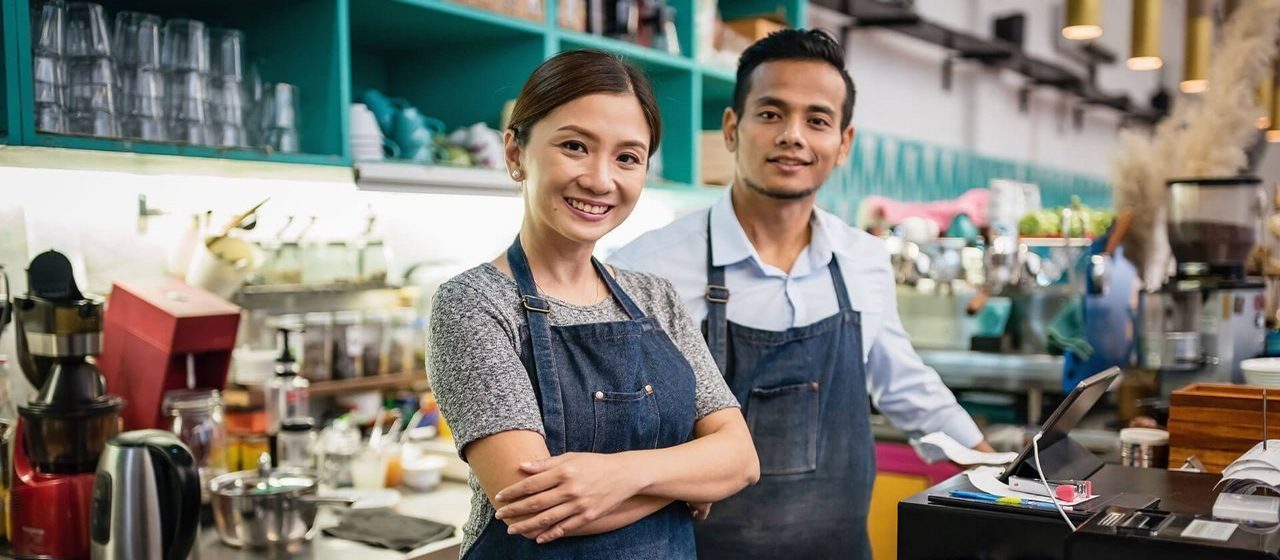
San Miguel’s property market attracts retirees, remote workers, entrepreneurs, and dual-country households. That mix can raise local demand for higher-skilled services and create new kinds of employment. Think bilingual administrative work, property-related legal support, design and marketing services, specialized construction management, and private education and training. These sectors can pay higher wages and encourage skill development.
The health and wellness ecosystem often expands alongside this shift. More residents and longer stays can sustain clinics, diagnostic services, fitness and rehab providers, and specialized care. This matters for the wider region because health and professional services tend to cluster and then spread through referrals, supplier contracts, and commuting workforces.
There is a productivity angle too. When a place attracts professionals who keep earning while living locally, the community gains outside income that flows into local purchases. That supports local employment without requiring a large industrial footprint. It also can encourage philanthropy and civic involvement, which can help fund cultural programming, preservation, and community initiatives.
Making Growth Last Means Managing Pressure Points Head-On
Economic growth can strain affordability, water systems, and community cohesion. If home prices rise faster than wages, local workers can get pushed farther from job centers, which increases commute burdens and can reduce service reliability. A healthy regional strategy faces this directly through zoning clarity, legal housing options, and support for workforce housing that aligns with local character.
Water and environmental resilience matter in a high-desert context. Property development and renovation should favor water-efficient landscaping, leak detection, modern fixtures, and responsible pool management. Practical steps like these protect long-term livability, which protects long-term property value, and that supports the local economy over time.
Heritage preservation also shapes the growth model. UNESCO recognition brings advantages, yet it also raises the stakes for design choices and city planning. Strong permitting, clear guidelines, and consistent enforcement help align private investment with public interest. When San Miguel balances reinvestment with preservation and livability, real estate becomes a durable regional asset, not a short-term surge.
Ultimately, San Miguel’s property market drives regional economic growth through repeatable mechanisms: construction jobs, steady services, visitor spending, stronger municipal capacity, and a broader base of local enterprise. When the city pairs that demand with smart planning and responsible building practices, the economic upside can stay strong for years, and the benefits can reach well beyond the city’s limits.