
San Miguel de Allende rewards travelers who plan for the city as it is lived, not just as it appears in photos. The appeal is real: a UNESCO World Heritage city with a preserved historic core, strong architectural identity, and a wide range of places to stay, eat, and explore. That mix gives you a lot of flexibility, yet it also means the quality of your trip depends heavily on timing, location, and pacing.
The smartest bookings start with clear expectations. Before you commit, compare neighborhood details, access notes, and property photos on sources such as dreamprohomesluxury.com, then match the stay to the kind of days you want. A traveler planning quiet mornings and early museum visits needs a different home base than someone who wants rooftop cocktails and late dinners a few steps from the main square. San Miguel offers enough lodging variety to support both styles, as long as you choose carefully.
Plan Your Dates Around Climate, Not Only Price
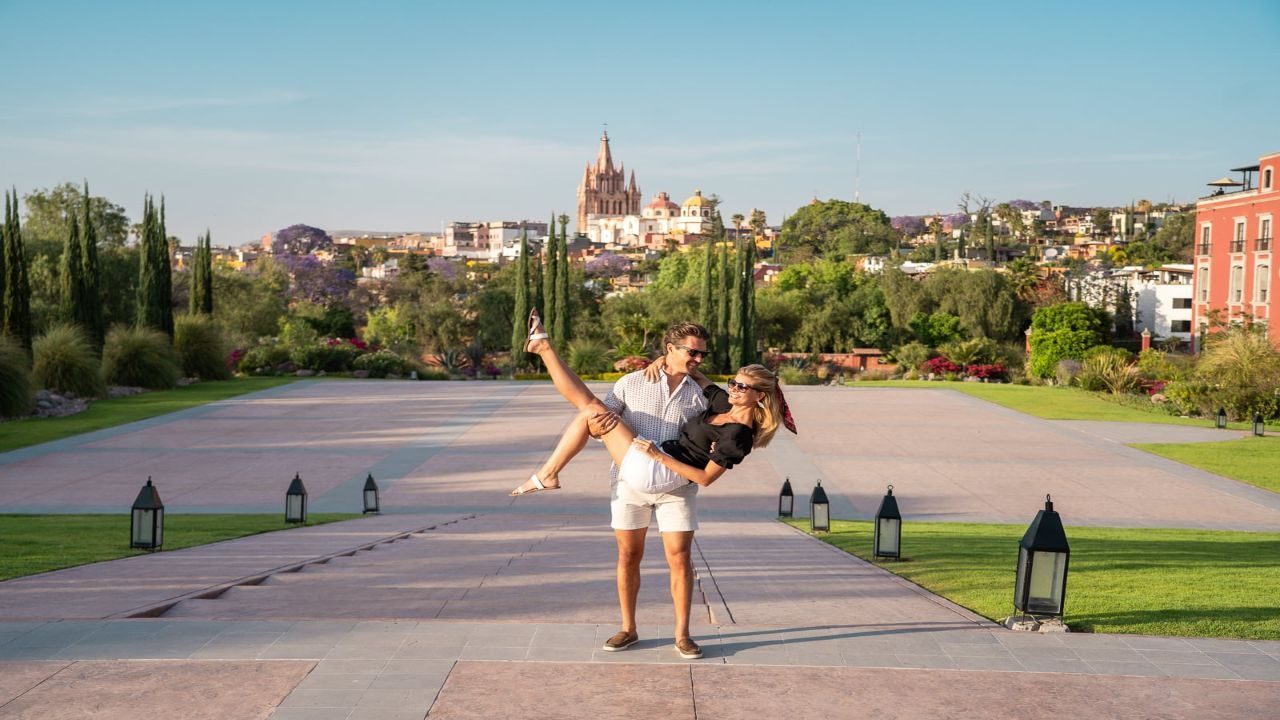
San Miguel’s weather looks mild on paper for much of the year, yet small seasonal shifts shape the trip more than many visitors expect. Average temperatures typically run from about 41°F to 85°F across the year. The warmest stretch lands in spring, with May averaging a high around 84°F, while January brings cooler nights and mornings. The wetter stretch usually builds from early June through late September, and July tends to be the rainiest month.
That matters because the city works best on foot. Cool mornings can turn warm by lunch, then crisp again after sunset, so layers make more sense than heavy packing. If you are coming in summer, add a light rain jacket and shoes with grip. If you are coming in the cooler months, pack for chilly mornings inside older buildings as well as sunny afternoons outdoors. San Miguel sits high on the Mexican Plateau, so sun exposure can feel stronger than travelers expect even on mild days.
Choose a Stay That Fits Your Daily Rhythm
A beautiful property can still be the wrong property. In San Miguel, the key question is not luxury alone. It is how you want to move through the day. The historic center places you close to churches, plazas, galleries, restaurants, and the city’s most recognizable architecture. That setting brings atmosphere and convenience, especially for first-time visitors who want to absorb the city’s historic fabric from the moment they step outside.
Read listings with a practical eye. Ask about stairs, street noise, water pressure, heating, parking, and how long it takes to walk to the places you care about most. Photos often flatter room size and natural light. They rarely show what matters at 7 a.m. after a red-eye flight, or at 10 p.m. after dinner uphill. A smart traveler looks for details that affect comfort every single day, not only the details that look good in a booking gallery.
Respect the Altitude and Pace Yourself Early
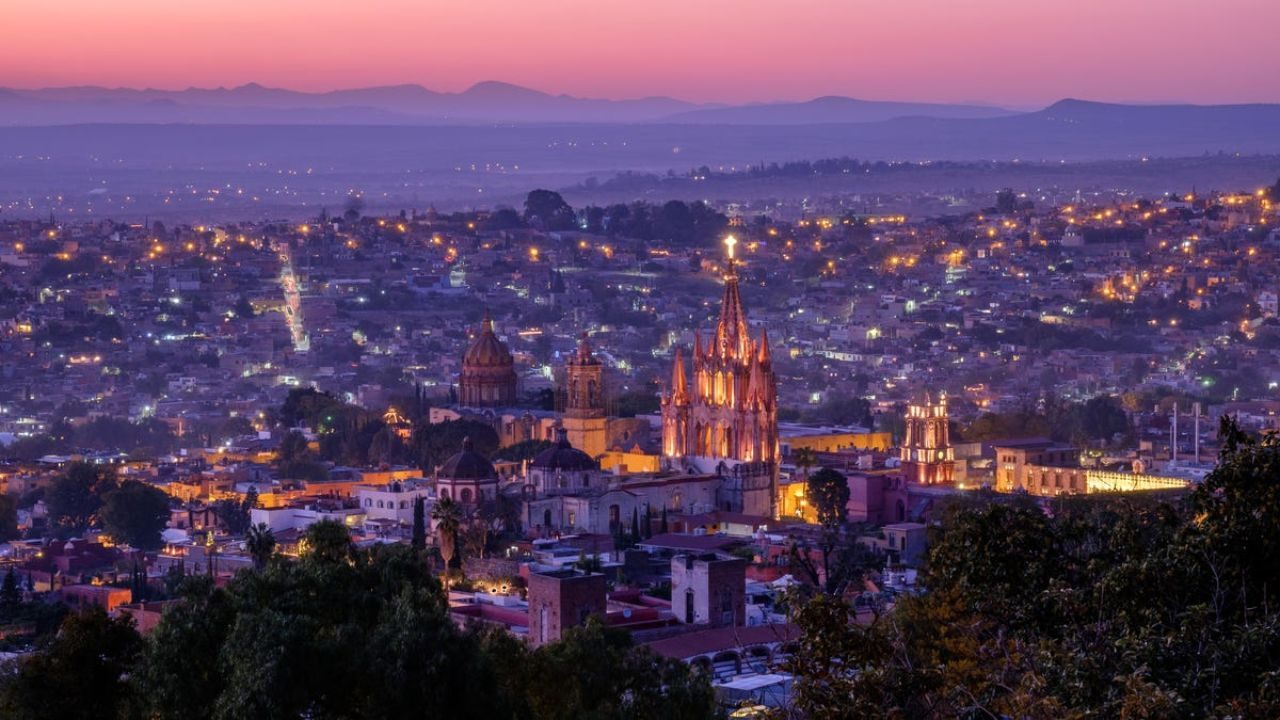
San Miguel de Allende sits at about 6,135 feet above sea level. At that elevation, some travelers feel fine right away, while others notice shortness of breath, lighter sleep, or fatigue during the first day or two. The U.S. State Department’s Mexico guidance specifically reminds travelers that many cities in Mexico are at high altitude and recommends taking precautions.
The easiest fix is pacing. On your first day, keep the schedule light. Eat lunch, drink plenty of safe water, unpack, and take a slow walk instead of trying to “win” the city in a single afternoon. This is especially important if your arrival includes a long travel day and a road transfer. San Miguel rewards patience. When you give yourself time to adjust, the next few days feel easier, and you get more out of every museum visit, market stop, and dinner reservation.
Eat and Drink With a Little More Care
Food is part of the draw here, and it should be. Still, a great trip can get derailed fast by careless choices with water and uncooked foods. The U.S. State Department notes that tap water in many parts of Mexico is not safe to drink and advises bottled water, caution with ice, and care around uncooked vegetables. CDC guidance for travelers echoes that message and adds that tap water may be unsafe for drinking, brushing teeth, making ice, or preparing beverages unless you know it is safe.
Use common sense without turning meals into a stress exercise. Favor busy restaurants with steady turnover. Ask for purified or bottled water. Keep a bottle in your room and another in your day bag. If your stomach is sensitive, start with cooked dishes on day one rather than pushing straight into raw salsas and street snacks. If you visit during the rainy season, be extra cautious around standing water and pack insect repellent, since CDC advises Mexico travelers to reduce bug bites and avoid contaminated water after heavy rains.
Keep Your Logistics Simple and Secure
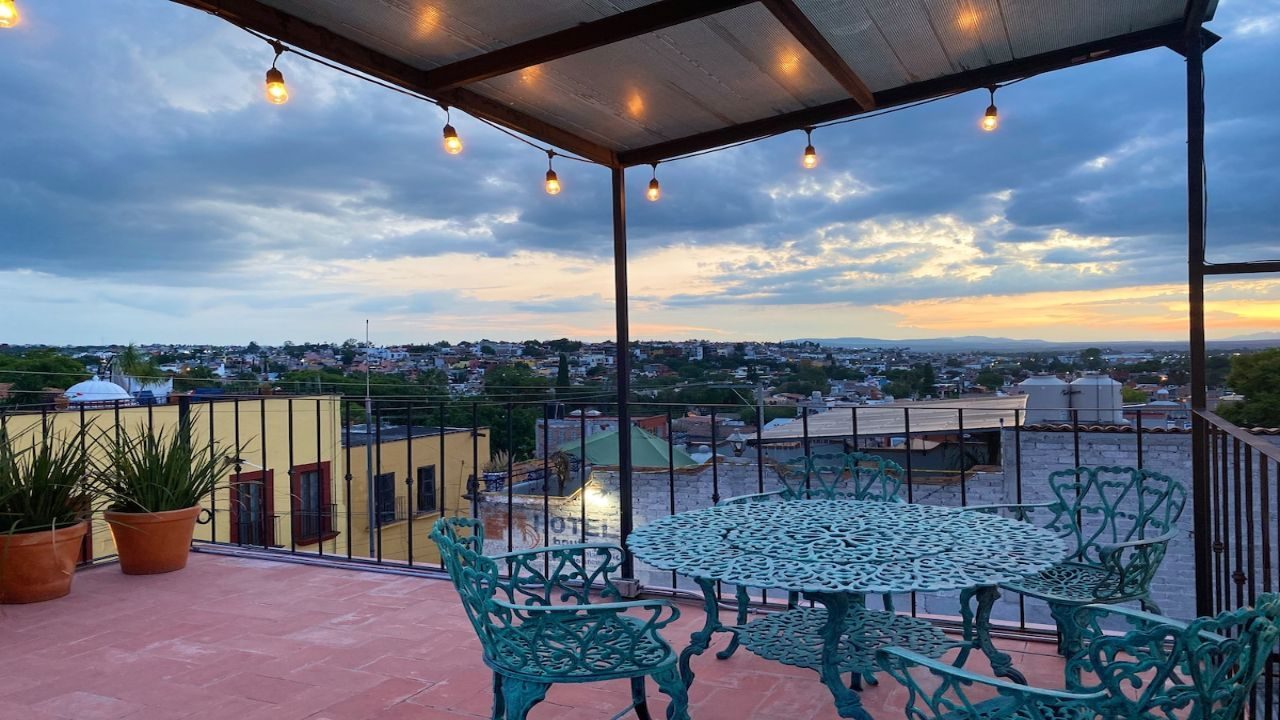
The most useful travel habits are boring, and that is exactly why they work. Before departure, confirm passport validity, entry requirements, medication rules, and insurance details. The U.S. State Department’s international travel checklist also recommends keeping copies of your travel documents separate from the originals, sharing a set with someone you trust, and taking photos of them on your phone. It also recommends enrolling in STEP so you can receive alerts and updates from the U.S. embassy or consulate while abroad.
Once you arrive, keep the rest simple. Carry only what you need for the day. Use one card, limited cash, and a bag that closes securely. Save your lodging address offline. Screenshot check-in instructions and your return transfer details. None of this sounds glamorous, yet these small habits reduce friction and keep your attention on the city instead of on preventable problems. Smart travel usually feels calm, organized, and a little understated.
Leave Room for the City to Open Up
A packed itinerary can flatten a place like San Miguel. The city shines when you leave space between plans. Book the major dinners, art visits, and spa appointments that matter most, then let the rest breathe. The historic center invites lingering. A church façade catches your eye. A small courtyard café turns into a long breakfast. A gallery visit stretches into an afternoon. That slower rhythm is part of the appeal. UNESCO recognizes the city for the integrity of its urban form and architecture, and that sense of continuity is easiest to appreciate when you are not rushing from stop to stop.
It also pays to think beyond the obvious postcard view. VisitMexico notes that the Sanctuary of Jesús Nazareno de Atotonilco, about 30 minutes north, shares UNESCO recognition with San Miguel and deserves a place on the schedule. Add one or two nearby cultural stops, leave room for a long meal, and keep one morning unscheduled. That kind of structure gives the trip shape without making it rigid. In a city this layered, the best moments often arrive in the open spaces between the plans.