
Living with Hidradenitis Suppurativa often means rethinking daily routines, including how to dress with comfort and confidence. While flare-ups can bring challenges, fashion does not need to be sacrificed. The right clothing choices can ease irritation, support self-expression, and help create a sense of empowerment in social and professional settings. Many people find that with small adjustments, style becomes a tool for comfort rather than a source of stress. Clinics that specialize in supportive treatment, such as Lumine Clinic in Singapore, often highlight the importance of blending medical care with practical lifestyle adaptations like fashion.
Clothing serves more than an aesthetic role. For those managing Hidradenitis Suppurativa, it can directly affect skin comfort and confidence. Soft fabrics, thoughtful layering, and practical styling can reduce friction, allow freedom of movement, and maintain personal expression. Dressing well while managing symptoms is less about restriction and more about creative adaptation. With the right knowledge, fashion becomes a partner in everyday life instead of a barrier.
Choosing Fabrics That Respect the Skin
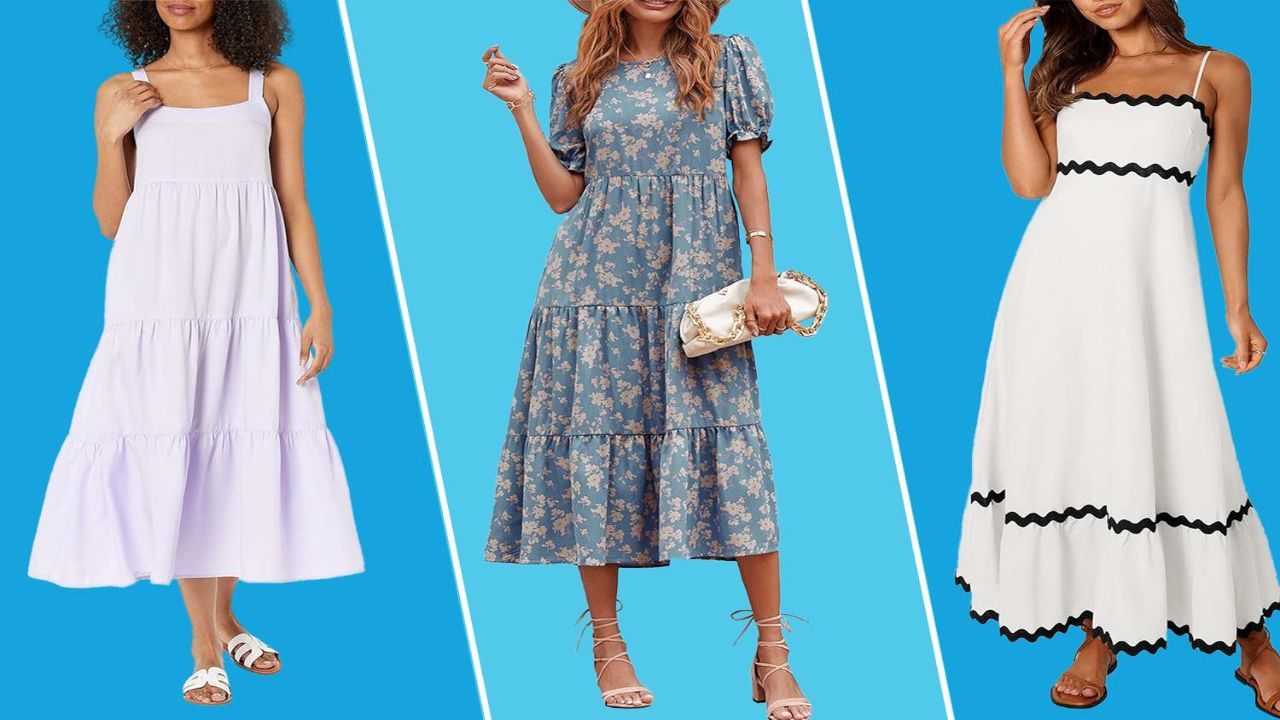
The first step in building a comfortable wardrobe is focusing on fabric selection. Natural, breathable materials such as cotton, bamboo, and linen allow airflow and help manage sweat. This matters because excess heat and moisture can trigger discomfort. Soft fabrics also reduce friction against sensitive areas, making them reliable staples for daily wear.
Synthetic fabrics like polyester or nylon blends may look appealing for their stretch and durability, but they often trap heat and moisture. While these materials are not always problematic, they can worsen irritation during flare-ups. A practical approach is to reserve them for shorter wear times or occasions when style needs outweigh long-term comfort. Balancing natural and synthetic fibers helps maintain variety without compromising skin health.
Texture also matters. Smooth fabrics glide against the skin, while coarse weaves can lead to chafing. When building a wardrobe, testing textures on sensitive areas before committing to purchases can prevent frustration later. This attention to fabric detail is an investment in both comfort and confidence.
Silhouettes That Reduce Friction
The cut and shape of clothing play a critical role in comfort. Loose-fitting tops, wide-leg trousers, and dresses with flowing lines help minimize skin-to-skin contact. These shapes not only reduce friction but also give the skin space to breathe. The benefit extends beyond comfort by making stylish outfits appear effortless and modern.
Tight clothing can sometimes trigger discomfort, especially around the underarms, groin, and inner thighs where Hidradenitis Suppurativa tends to flare. While form-fitting styles may not need to be abandoned entirely, they should be chosen with care. Stretch fabrics that move with the body and avoid harsh seams in sensitive zones can allow for stylish yet practical options.
Layering is another strategy. Wearing a soft base layer under structured pieces like blazers or denim jackets creates a protective barrier between the skin and tougher fabrics. This method lets individuals enjoy tailored looks while keeping comfort a priority.
Color Choices That Work in Your Favor
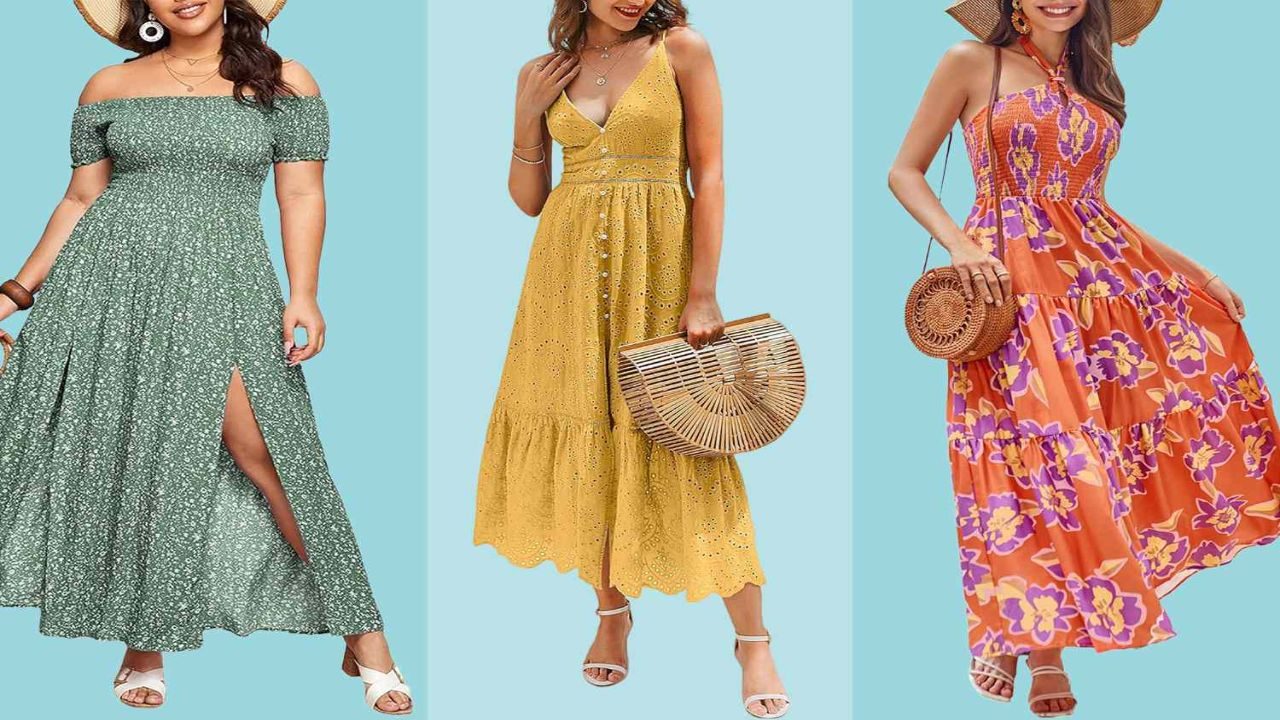
Color is not only an expression of style but also a practical tool. Dark shades can help camouflage sweat marks or flare-related stains, which often brings peace of mind in public settings. Black, navy, and deep jewel tones provide versatility for both casual and professional wardrobes.
That said, lighter colors should not be dismissed. Soft pastels and neutral shades offer a fresh, airy appearance that can be uplifting during difficult days. When paired with breathable fabrics, they bring both comfort and style. The key lies in balancing practical concerns with personal preference rather than restricting choices to one color palette.
Patterns also help. Floral prints, stripes, or abstract designs can distract from small imperfections or marks while adding visual interest. This flexibility allows fashion to serve as a confidence boost without drawing unnecessary attention to areas of concern.
Footwear and Accessories That Support Comfort
Footwear is often overlooked in conversations about skin conditions, yet it contributes significantly to overall comfort. For individuals managing flare-ups in the groin or thighs, shoes that support balanced posture can reduce stress on sensitive areas. Cushioned sneakers, supportive sandals, and low-heeled boots help distribute weight evenly and minimize irritation caused by walking or standing for long periods.
Accessories also matter. Lightweight scarves can be both stylish and functional, offering coverage for flare-prone areas on the neck or underarms when desired. Soft belts or elastic waistbands provide shape without pressing too tightly on the skin. Jewelry, bags, and other details create opportunities to express personality even when clothing choices lean toward comfort-first.
By selecting accessories thoughtfully, individuals can highlight their personal style while still prioritizing ease. This approach ensures that fashion remains expressive without creating new sources of discomfort.
Dressing for Special Occasions
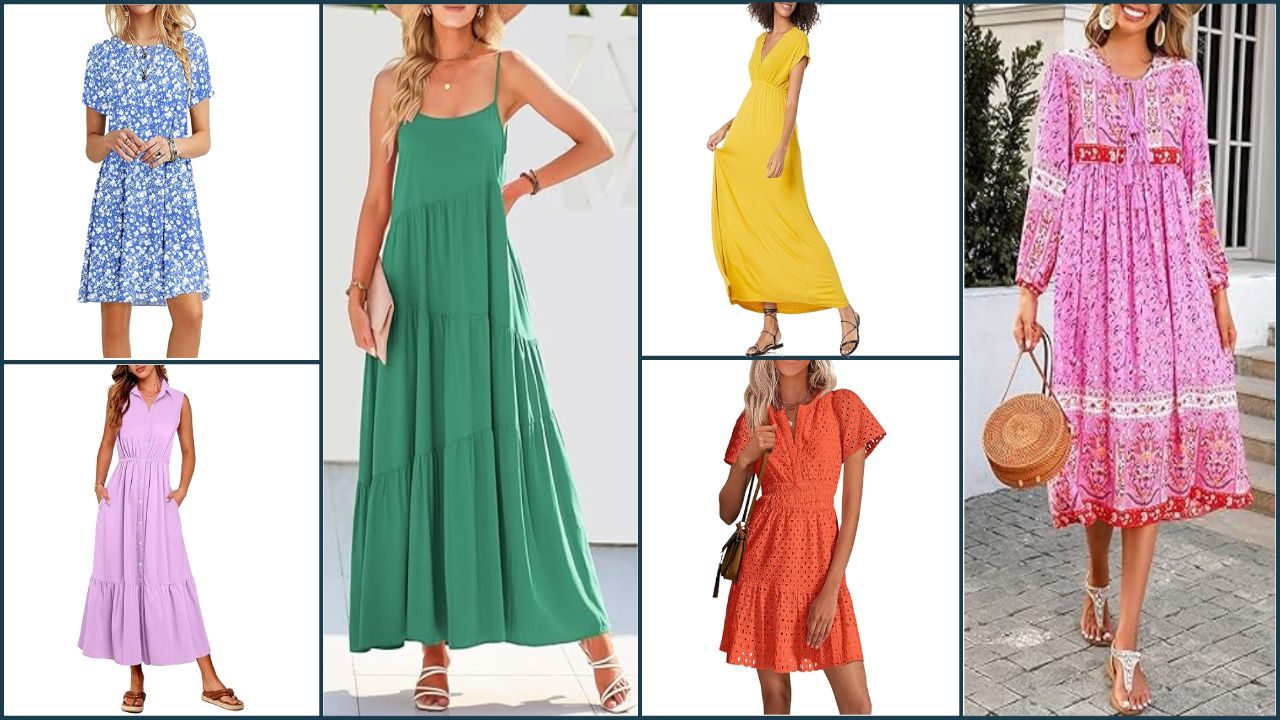
Formal events and professional settings often bring pressure to dress in specific ways. For individuals with Hidradenitis Suppurativa, this can be a source of stress. The solution lies in preparation and creativity. Choosing structured yet breathable fabrics for tailored pieces can strike the balance between elegance and comfort.
Women may find wrap dresses or A-line skirts to be versatile choices, while men can rely on unlined blazers paired with soft cotton shirts. Stretch suiting fabrics are another valuable option, allowing polished looks without the rigidity of traditional tailoring. The goal is to prioritize movement and ventilation without compromising presentation.
It also helps to keep a few reliable “go-to” outfits for occasions when flare-ups coincide with important events. Having these ready reduces anxiety and ensures confidence remains intact, regardless of physical challenges.
Building Confidence Through Personal Style
Fashion with confidence is not simply about what to wear. It is also about how clothing choices reflect self-worth. For individuals living with Hidradenitis Suppurativa, style becomes a form of empowerment. By choosing outfits that respect both comfort and personal identity, clothing transforms from a limitation into a strength.
Experimenting with styles that highlight individuality while reducing irritation creates a healthy relationship with fashion. Some may lean toward classic minimalism, others toward bold statements. Both approaches work when comfort and self-expression are balanced.
Confidence grows through consistency. Building a wardrobe of pieces that feel reliable ensures fewer stressful choices day to day. Over time, this approach reduces the feeling of compromise and instead reinforces a sense of control.
Living with Hidradenitis Suppurativa brings unique challenges, but it does not have to limit fashion choices. With careful attention to fabrics, silhouettes, colors, footwear, and accessories, individuals can dress in ways that support comfort while maintaining personal expression. Fashion becomes a resource for resilience rather than a source of worry.
Confidence comes not from hiding but from selecting clothing that allows both comfort and style to coexist. By embracing fashion as a supportive partner, individuals can face each day with greater ease and self-assurance.